By Laurel Dault, Hollyhock’s Director of Development & Impact.
Lessons on Business Financing, Growth, and Resilience
Markets fluctuate, but your values don’t have to. By mastering your cash flow, you ensure your business survives tough times without ever compromising your mission.
Debt is not inherently good or bad. For entrepreneurs and social ventures, financing works best when it supports a clear business strategy, strengthens cash flow, builds long-term capacity, and aligns with the organization’s mission.
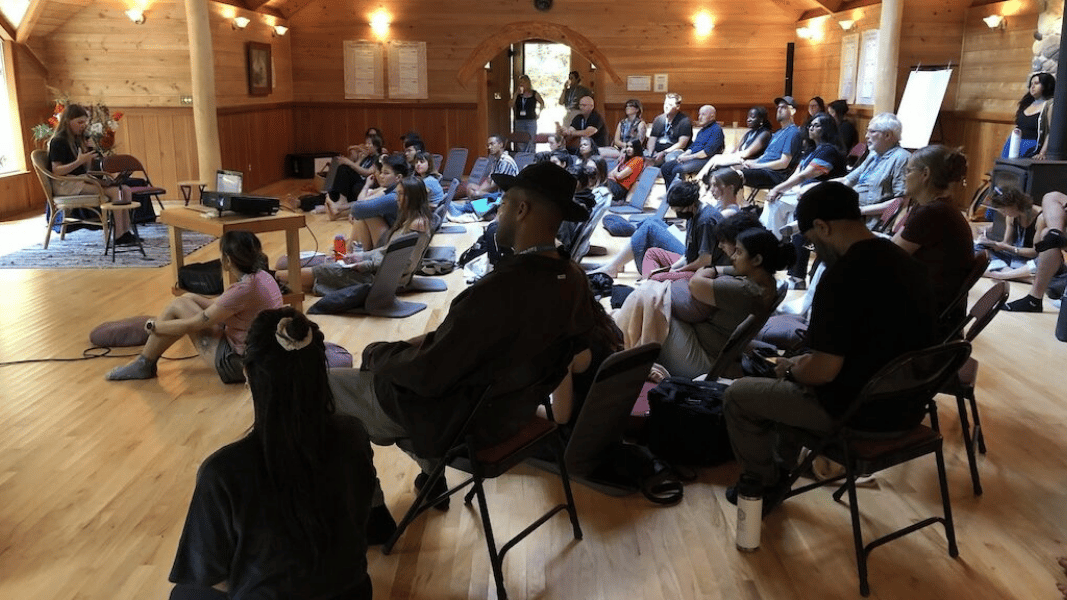
Social Venture Institute (SVI) helps mission-driven entrepreneurs navigate economic pressure and recommit to resilient leadership. SVI is an ecosystem, a living network of thousands of entrepreneurs, investors, creatives, and organizers who support each other across generations and industries. In a time of rising tariffs, economic volatility, and social fragmentation, this kind of network isn’t a luxury; it’s a form of resilience.
In a session at SVI Virtual, Coast Capital’s Brenda Mah and Devon Oakland shared practical guidance on borrowing, financial resilience, and sustainable growth.
The conversation focused on a question many entrepreneurs face: How do you grow your organization without compromising its long-term health?
In This Article – 5 Lessons from Pros at Coast Capital
- When should a business take on debt?
- How do you know if financing is the right choice?
- What makes a business financially resilient?
- How can entrepreneurs scale sustainably?
- Key lessons from Coast Capital at SVI Virtual
- FAQ
When Should a Business Take on Debt?
Many entrepreneurs view debt as a last resort. Mah and Oakland encouraged participants to think differently.
Financing is simply a tool. Like any tool, its effectiveness depends on how and why it is used.
Before borrowing, ask:
- What is this funding intended to accomplish?
- Does it support our mission and strategic goals?
- Will this investment generate more value than it costs?
- Can we comfortably make payments during a difficult year?
- Are we borrowing from confidence or from urgency?
One of the strongest signals of financial health is securing financing before it becomes an emergency. Businesses that establish lending relationships early often have more options, stronger negotiating power, and greater flexibility when opportunities arise.
What Makes Debt a Strategic Business Decision?
The key question isn’t whether a business can repay a loan. The more important question is:
Will this investment make the organization stronger?
Strategic financing often supports:
| Purpose | Potential |
| Purchasing Equipment | Increased Efficiency |
| Hiring Staff | Expanded Capacity |
| Investing in Marketing | Revenue Growth |
| Purchasing Inventory | Improved Cash Flow |
| Upgrading Infrastructure | Long-Term Stability |
Healthy debt should help a business:
-
- Increase revenue
- Improve efficiency
- Strengthen cash flow
- Create long-term resilience
When financing serves one or more of these goals, it can become a catalyst for growth rather than a burden.
How Can Entrepreneurs Build Financial Resilience?
Financial resilience isn’t built during a crisis, it’s built before one.
Coast Capital’s session at SVI Virtual emphasized the importance of creating financial “breathing room” through intentional planning and disciplined financial practices.
Strategies discussed included:
Understand Your Cost Structure
Know the difference between:
-
- Essential operating expenses
- Debt obligations
- Discretionary spending
This clarity makes it easier to adapt when circumstances change.
Build Reserves Consistently
Many entrepreneurs wait until they have “extra money” before creating savings.
A more resilient approach is to treat reserve-building as a regular practice.
Just as individuals are encouraged to pay themselves first, organizations benefit from consistently contributing to operating reserves.
Separate Operating and Reserve Funds
Maintaining separate accounts helps organizations:
-
- Protect emergency savings
- Improve financial visibility
- Reduce the temptation to spend reserves during normal operations
Review Financial Health Regularly
Strong leaders develop a regular rhythm of reviewing:
-
- Cash flow
- Debt obligations
- Savings targets
- Revenue projections
Small course corrections made consistently can prevent larger problems later.
How Do You Scale a Business Sustainably?
One of the most memorable insights from the session was simple: Growth amplifies everything.
If your systems are strong, growth can create momentum. If your systems are weak, growth can magnify challenges.
Before scaling, entrepreneurs should ask:
-
- Can we consistently deliver on our promise?
- Do we understand who our ideal customers are?
- Are our internal systems repeatable?
- Can our team support additional complexity? Can we afford the added cost to staffing that comes with added complexity?
Organizations often grow more sustainably when they focus deeply on serving a specific audience rather than trying to serve everyone.
The strongest growth strategies frequently emerge from:
-
- Repeat customers
- Long-term relationships
- Referrals
- Strategic partnerships
- Community trust
These approaches create growth that is both sustainable and values-aligned.
Why Does Personal Well-Being Matter for Business Success?
To close the session, participant and Wealth Consciousness Coach Candis Fox invited participants into a brief grounding practice.
Rather than focusing on strategy or performance, she encouraged entrepreneurs to notice their breath, their bodies, and their present experience.
The exercise reinforced an important reality:
The health of a business is deeply connected to the health of the people leading it. How your body meets your bank account can be a strong indicator of financial stability and resilience.
Sustainable organizations are not built solely through financial decisions. They are also shaped by leaders who have the capacity, awareness, and resilience to navigate uncertainty.
Key Takeaways for Entrepreneurs
If you’re considering financing, growth, or long-term planning, the session offered five practical lessons:
-
- Borrow with purpose, not urgency.
- Ensure debt supports revenue, efficiency, or resilience.
- Build reserves before you need them.
- Strengthen systems before scaling.
- Invest in your own well-being alongside your business.
The most sustainable organizations are built through aligned decisions that support both mission and long-term financial health.
About the Speakers
Brenda Mah and Devon Oakland are leaders with Coast Capital who work with entrepreneurs and organizations to support financial growth, business resilience, and long-term success.
About SVI
The Social Venture Institute (SVI) is a learning community for entrepreneurs, nonprofit leaders, and changemakers who are building ventures that create positive social and environmental impact. Through expert-led sessions, peer learning, and practical tools, participants strengthen both the sustainability and impact of their work.
Join us for Social Venture Institute Hollyhock, taking place every fall: https://hollyhock.ca/svi
*A special thank you to Coast Capital and Financial Wellness Coach Candis Fox.