Songs and relationships with animal kin guide Indigenous land and water defenders
By Odette Auger
A raven kept hopping around the early days of Coyote camp, on the banks of the Wedzin (blue-green) Kwa.
Cas Yikh (Grizzly) House Chief Dinï ze’ Woos welcomed the 2021 blockade and protest camp to stop construction of Coastal GasLink pipeline on unceded Wet’suwet’en territory. Shaylynn Sampson (Gitxsan, with We’suwet’en family ties) was one of the land defenders. Shay tried to get close enough to offer it food, but the bird would almost come– and then hop away.
When police began walking up the hill toward camp, the raven saw them first.
“The raven flew over and started calling down to us and gave us a warning– gave us a message that they were on their way,” she says, giving time to prepare.
Shaylynn composed the Raven Song, the lyrics asking people to look at the raven. When she was arrested in November, she sang it, hoping it would carry a message out to people about what had happened on the territory.
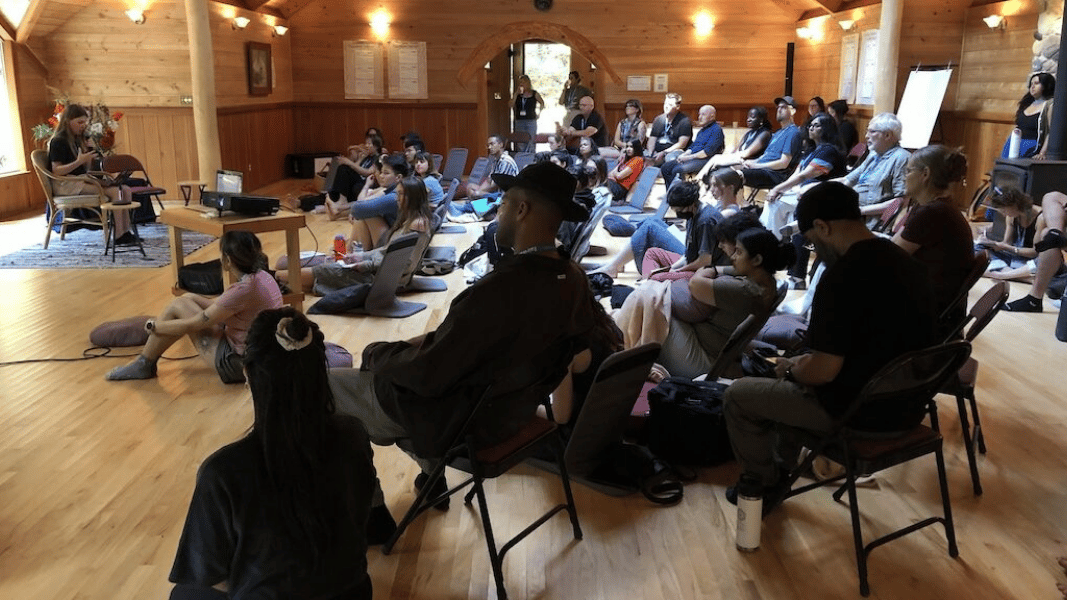
Replenish gathers Indigenous land and water defenders, under the care-filled facilitation of Kim Haxton (Potowatomi)
Participants shared songs and the stories behind them. Conversations circled round the help that comes in times of need, and how people recognize and care for the relationships guiding their work.
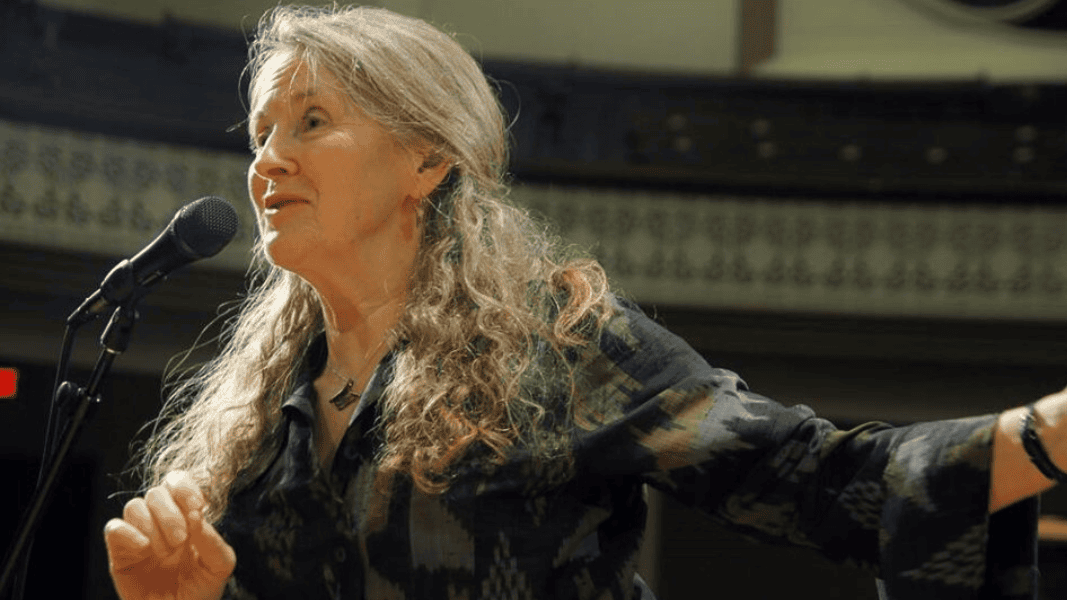
Rosemary Georgeson (Coast Salish/Sahtu Dene) is a storyteller and artist who grew up commercial fishing with her Galiano family.

Shaylynn Sampson
Rosemary spoke about an internal compass. On the water, her father taught her to be aware of more than east, west, north and south. She needed to know what was below her and above her, and to follow what was in her heart.
“People who don’t know the water don’t realize that our lives are held in less than a split second, so much of the time.”
Being able to draw on that knowledge can determine whether she gets home. An internal compass needs attention, too.
“But to reset our internal compass, that takes work,” she says. “Like what we’ve been doing here this weekend. I’m learning how to reset that internal compass.”
Rosalie Labillois
In a time of need
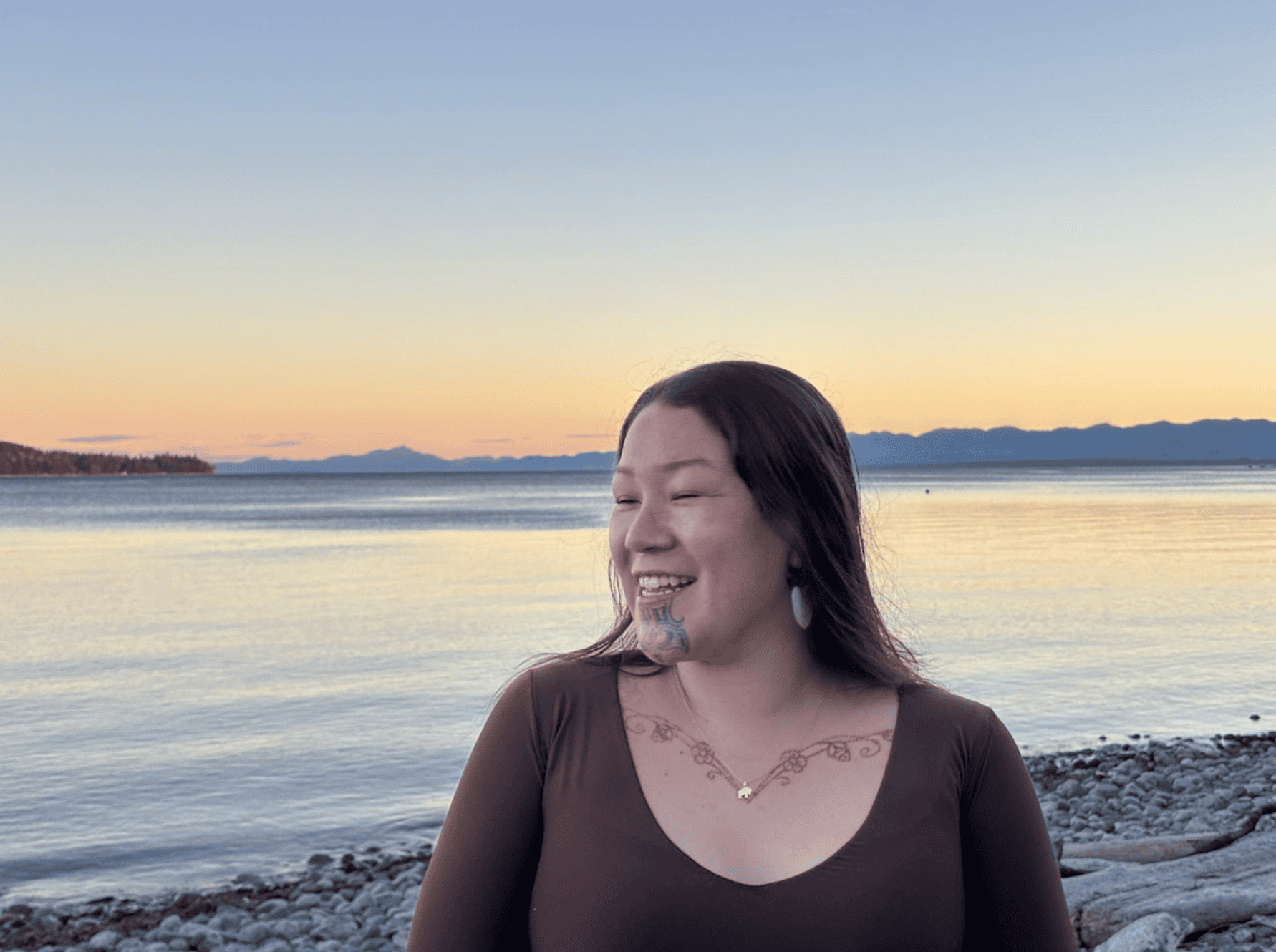
Rosalie Labillois (Mi’kmaq) has spearheaded impactful national youth gatherings for climate action and water protection– coming from a fishing family with a long relationship with the water, With culture guiding her, she’s been co-chair for the Assembly of First Nations Youth Council, and shared hope and resiliency in speaking to Pope Francis.
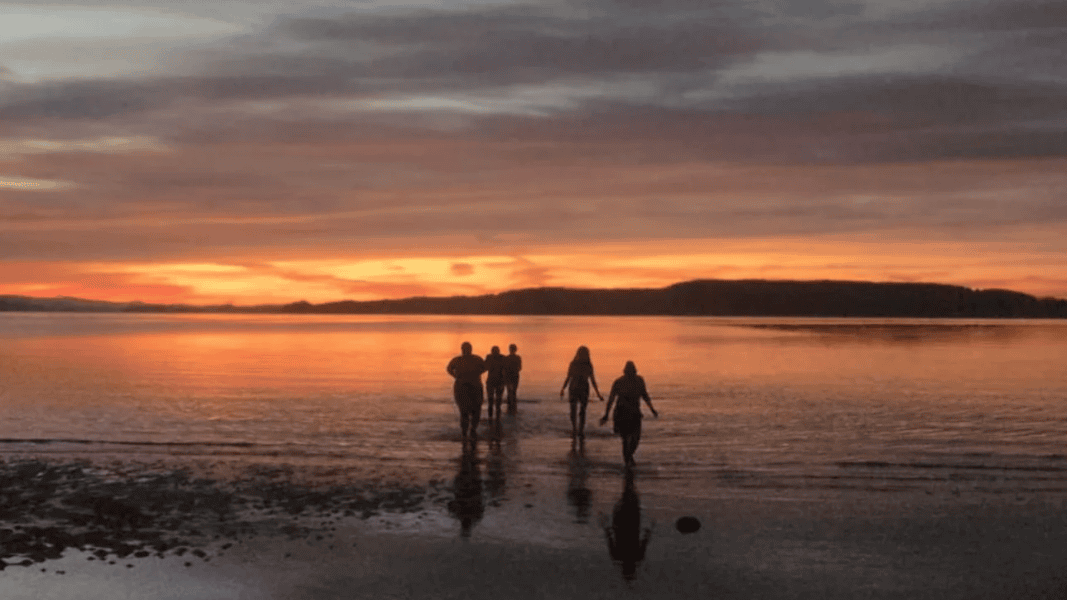
During attacks on Mi’kmaq lobster rights-based fisheries, people were putting themselves on the front lines, doing everything they could. Rosalie’s gift from Creator is song. She went to the shoreline in Digby, Nova Scotia and sang a whale song that shares the message of a whale coming ashore, with a turtle following, bringing word of hard times.
Later, she heard news that whales had arrived, halting fishing. The whales had come to help.
“It was just so beautiful that there’s only so much that we could humanly do,” she explains, “but it was having that true belief and faith.” Animals as relatives who choose to sustain people through food, and who can also choose to come to their aid. “they provide for us, in our time of need. They have their own will, and we can’t compel them.”
For Rosalie, that relationship involves an invitation, without conditions on how or when help should arrive. An important teaching that has stayed with her was on unconditional love. “This world has become so conditional,” she says. “I’ll do this for you, but you gotta do this for me.”
Following salmon
Dawn Morrison (Secwépemc) is the Founder/Curator of the Working Group on Indigenous Food Sovereignty. She spoke about keeping ancestral knowledge alive through songs, ceremony and relationships with animal kin.
Each year, the Wild Salmon Caravan begins by going to the water, making offerings and asking for a theme. That theme guides public engagement through arts and cultural events, feasts and ceremonies. Communities hosting the caravan bring their own protocols and songs to their relationships with salmon.
The work encourages intertribal fisheries governance, Morrison explains, reflecting the connections among peoples along a river.
In her Indigenous food sovereignty work, salmon’s life cycle also provides a structure for bringing Indigenous knowledge and participation into decisions affecting land and food systems. Following salmon through different stages of life offers teachings about transformation and regeneration, and ways to acknowledge and work alongside complex trauma.
Indigenous people working in colonial systems carry the responsibility of educating others while navigating those systems themselves. Morrison wants Indigenous knowledge systems and values to guide the process.
She calls for shifting management “away from productionism towards regeneration.”
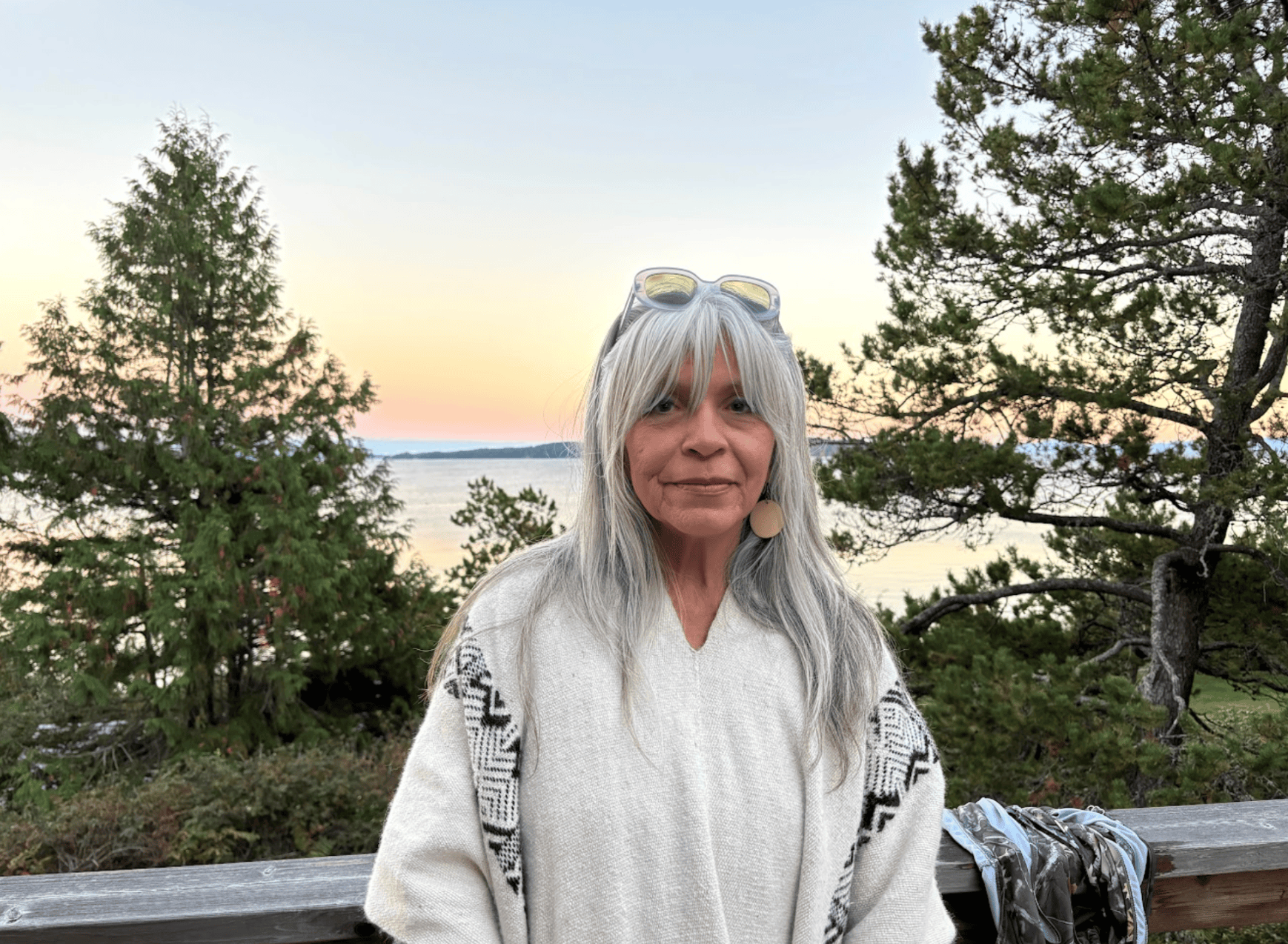
Dawn Morrison
A production-focused approach fails to account for the many values held in relationships with land, water and salmon, she explains. Regeneration requires changes in human behaviour.
“Nature is powerful,” she says. “It will regenerate if we correct our behaviour.”
Organizing the caravan also takes considerable work, often with little funding. Morrison had been tired enough to consider not holding it this year. People kept asking for it, and some funding arrived. She hopes for support that would allow a team to plan throughout the year.
Rosemary shared what she was focusing on during Replenish– learning how to attend to her own bearings. Her father’s teachings about the water remain a guide: pay attention to what surrounds you, draw on what you know, find your way home.
“We have to get reset every once in a while,” she says. “And we have to know how to do that for ourselves.”
Hollyhock provides in-kind support and fundraises to cover all travel, meal, and accommodation costs for participants to take part in Replenish.
Thank you to our partners at Dragonfly Ventures, All One Fund, the Mycorrhizal Fund, and everyday donors like you for making this restorative experience possible for frontline leaders.