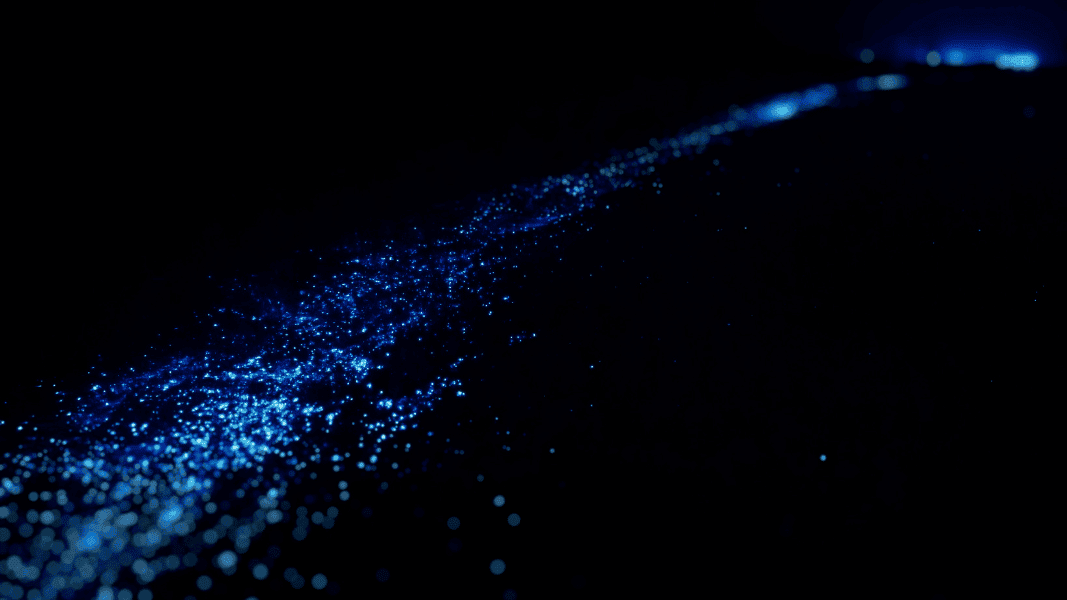
This time of year, as darkness falls, the Salish Sea begins to glow.
After the sun sets and sky darkens, you’ll start to see it, bluey-green sparks trailing from your fingers as you run your hand through the water.
It happens slowly at first, then gets brighter. The first time you see this magic, you’re sure to hear someone shriek with joy nearby, and someone else sigh in awe.
These tiny sparks are alive. They’re dinoflagellates, a group of tiny phytoplankton, many of which spend the day floating near the surface, photosynthesizing in the sun. The best-known glowing species in these waters is Noctiluca scintillans, nicknamed “sea sparkle,” a local favourite that has been lighting up the Salish Sea for as long as people have been paddling and swimming here. Whichever species you’re swimming with, they only reveal their light after dark, and only when the water is disturbed…a paddle stroke, a swimming arm, a hand trailing through the shallows.
The glow itself comes from a chemical reaction, a molecule called luciferin meeting an enzyme called luciferase. The result is a cold blue-green light that gets more vivid the darker the night is. Warm, sunny days and dark, moonless nights make for the best show.
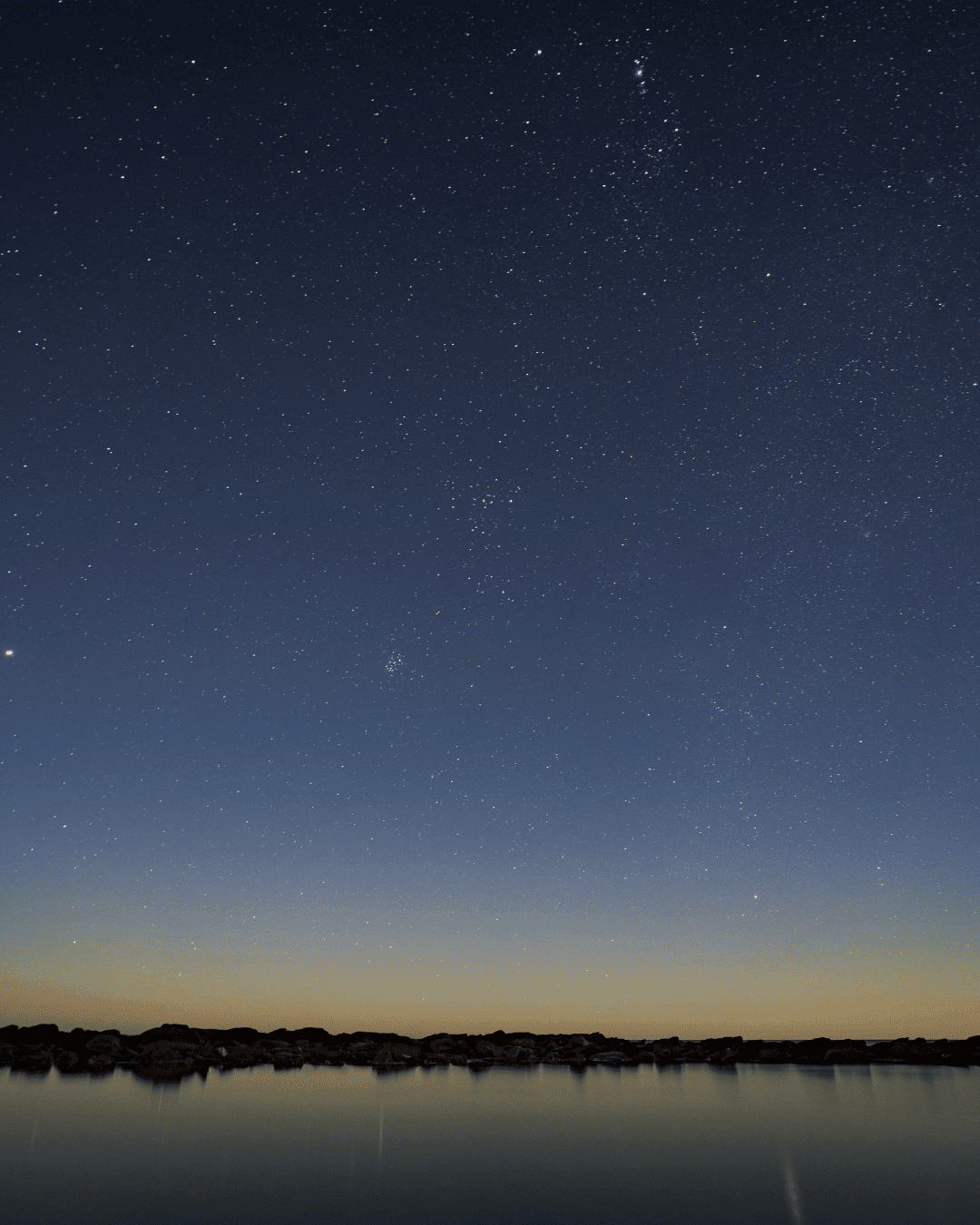
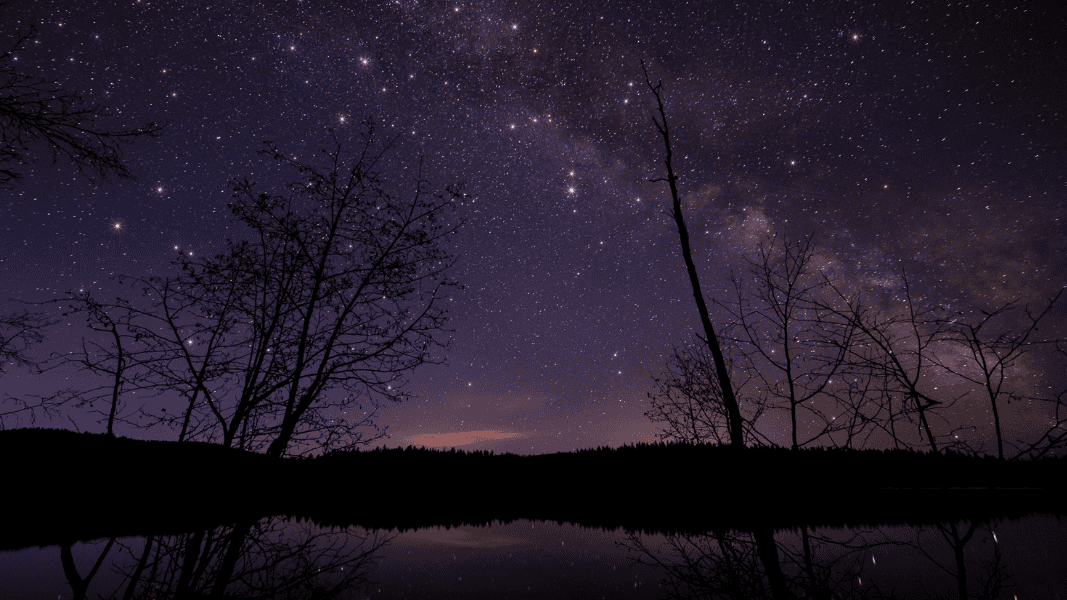
A nighttime swim off Hollyhock Beach is a late-August bucket list item for good reason. The water is still warm from a full day of summer sun, and the night breeze is mild and salt-tinged, making you want to stay in a little longer. Wade in, and the sea lights up around every stroke. Look up, and the stars are doing the same thing overhead.
With a little imagination, for a moment, it might be hard to tell which sky you’re swimming in, stars below, stars above, and you, somewhere in the warm dark water between both.