By Michelle Lepak
Finding Your Portal to Peace in a Fragile World
If you feel a quiet weariness every time you scroll through the news, I want you to know you aren’t alone.
In a world defined by constant shock waves, uncertainty, and fast-moving headlines, so many of us are searching for something steady to drop anchor into. We want to know how to stay safe, compassionate, and connected—not by tuning out reality, but by finding a place within ourselves that can hold it all without breaking.
That search is what led me to develop Presence Psychotherapy.
For years in my practice as a therapist, I watched standard clinical tools struggle to touch the deeper, spiritual hunger people have for genuine safety and integration. I realized we didn’t just need more strategies to manage distress; we needed a direct, experiential doorway to an innate capacity we all possess: Presence.
What Is Presence, Really?
To me, Presence isn’t a abstract theory or a state reserved for lifelong meditators. It is a subtle, living energy that is open, non-reactive, aware, and inherently compassionate. It exists in many forms and frequencies around and within us.
Through my work, I’ve found that while everyone perceives energy differently, almost everyone easily resonates with at least one of Four Dimensions of Presence:
-
Relational Presence: A warm, heart-centered compassion felt deeply in the body—for yourself, for hurting parts of you, or for others. Many also sense it right outside themselves as love flowing from animals, nature, loved ones, or spiritual guides.
-
Grounded Presence: A steady, embodied sense of rooted safety. It is the feeling of having solid ground beneath your feet and an unshakeable foundation within.
-
Spacious Presence: An open, vast capacity that simply holds your experience, allowing difficult thoughts and feelings room to breathe without crowding you out.
-
Transcendent Presence: A sense of boundless connection to something vast and sacred beyond the individual self.
How Presence Heals Trauma
In a typical session, I guide clients through a simple, mindfulness-based orienting process to help them discover their unique “portal.” Within 5 to 10 minutes, most people can drop into a clear, felt sense of one of these four dimensions.
Once that internal platform of safety is established, everything changes.
Instead of getting overwhelmed by intense emotions, attachment wounds, or protective trauma responses—fight, flight, freeze, fawn, or shock—we use Presence as a gentle container. From this steady space, we can safely face and digest deep-seated trauma beliefs like “I’m not enough,” “I’m too much,” or “I’m unsafe.”
We move out of survival mode and into true integration and resilience.
An Invitation to Reconnect
What I love most about this work is that it honors the spirit without requiring a specific doctrine. Whether you hold deep religious roots, identify as spiritual-but-not-religious, or simply lean into nature and human connection, Presence Psychotherapy offers a practical, evidence-informed framework that meets you exactly as you are.
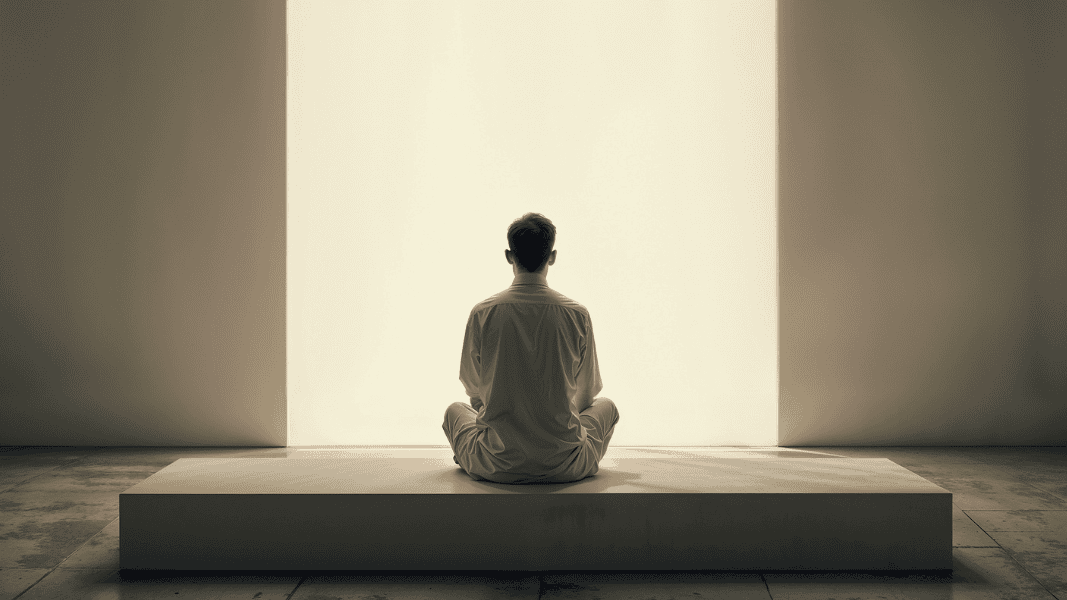
It reminds us that even in life’s hardest moments, comfort, support, and a higher frequency of awareness are always available. We don’t have to carry the weight of the world on our own—we just need to remember how to step back into the portal of our own innate Presence.
Join Michelle at Hollyhock this September, 10-15th at “Presence Psychotherapy Training: Integrate Spirituality with Trauma Work” (28Credits) Register Now!