By Wendy Hainstock
Turning Inward
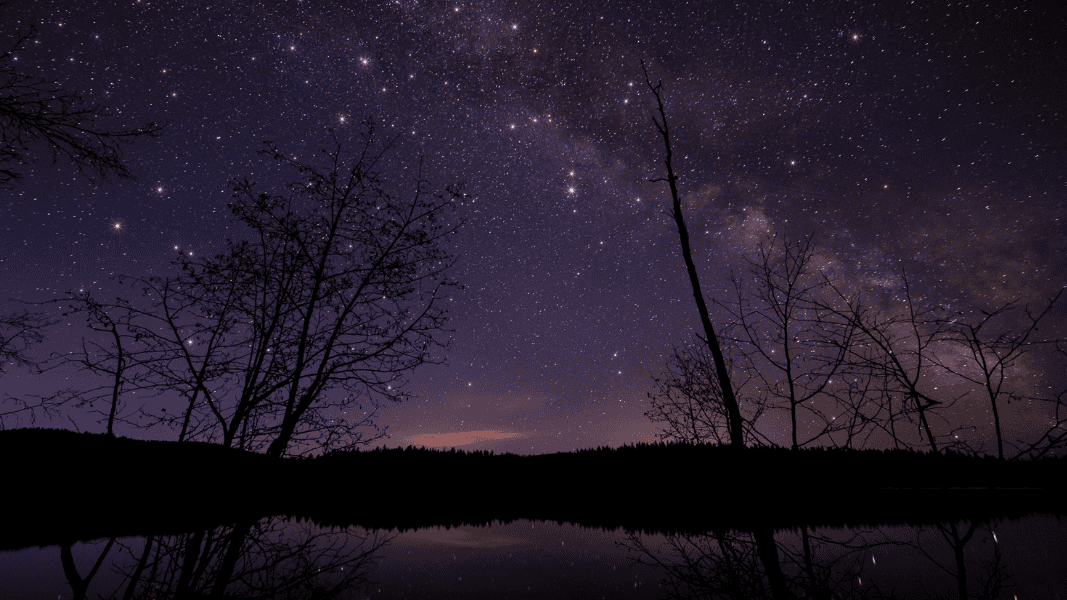
There is a distinct breath the Earth takes twice a year—a moment where everything pauses in precise, fleeting equilibrium. As the equinox arrives, day and night stand as exact equals across the globe. Nowhere is this seasonal pivot felt quite as intimately as on Cortes Island, British Columbia. Tucked into the quiet waters of the Salish Sea on the unceded traditional territories of the Klahoose, Tla’amin, and Homalco First Nations, this remote sanctuary seems to slow down in tandem with the cosmos.
To truly honor this celestial threshold, it helps to understand where the tradition comes from, what happens inside our physical bodies during this shift, and why this island is the ultimate sanctuary for turning inward.
The word equinox stems from the Latin aequus (equal) and nox (night). Archaeologically and culturally, humanity has been fascinated by these celestial midpoints for thousands of years. Long before digital clocks or calendar apps, our ancestors marked the equinoxes to track time, plant crops, and navigate their survival.
Ancient civilizations across the globe built massive stone monuments precisely aligned with the equinox sun. The Mayans designed the pyramid of El Castillo at Chichén Itzá so that on the equinox, the setting sun casts a shadow resembling a slithering serpent descending the staircase. In ancient Celtic traditions, the autumnal equinox marked Mabon, a time of thanksgiving for the harvest before the dark half of the year commenced. For Indigenous peoples of the Pacific Northwest, seasonal shifts were deeply tied to the rhythms of salmon runs, berry gathering, and shifting encampments to prepare for the rain-soaked winter ahead. Across every era, the equinox has stood as a sacred reminder: life exists in cycles, and balance requires honoring both the light and the dark.
How Our Bodies React
While we often view the equinox as a simple calendar date, our bodies experience it as a profound biological recalibration. Humans are deeply rhythmic creatures, engineered to respond to subtle shifts in solar radiation and environmental cues.
As daylight shortens, the retina receives less bright light, sending immediate signals to the suprachiasmatic nucleus—the master clock in the brain. This triggers an earlier release of melatonin, the hormone responsible for sleep and cellular repair. Simultaneously, levels of serotonin (the “happy” neurotransmitter linked to sunlight exposure) begin to dip.
Physiologically, your body is being instructed to step out of high-gear summer energy. Cortisol levels shift, digestion slows slightly, and the metabolic drive turns toward warmth, grounding foods, and energy conservation. It is not laziness or fatigue you feel during the equinox—it is cellular intelligence. Your biology is actively coaxing you to slow your pace, spend more time resting, and match the waning momentum of the natural world.
When the energetic volume of the world turns down, Cortes Island becomes a resonant sounding board for self-reflection. As summer visitors depart, a gentle, reverent quiet settles over the island’s moss-draped Douglas firs, tranquil bays, and mist-laden shorelines.
The geography of Cortes amplifies this seasonal invitation. On the shores of Smelt Bay or along the quiet waters of Manson’s Landing, you can watch the tide recede in complete silence, save for the call of a raven or the drip of dew from cedar branches. The island’s long history as a sanctuary for artists, seekers, homesteaders, and deep thinkers makes its very soil feel infused with intentionality.
As the days grow shorter, what should we ask ourselves as we look inwards this time of year?
-
Audit Your Harvest: Just as ancient cultures gathered their crops, use this time to reflect on what you’ve grown, created, and learned throughout the year. What worked? What is ready to be stored away?
-
Embrace the Darkness: The equinox reminds us that darkness is not an absence of life, but a fertile soil where seeds rest before spring. Allow yourself space to sit with quieter, deeper feelings.
-
Shed What Belongs to the Past: Watching the deciduous trees along coastal trails drop their leaves offers a living masterclass in non-attachment. Let go of old expectations, burn-out habits, or mental clutter.
Standing on a driftwood beach at the edge of Desolation Sound as twilight falls, you feel the true power of balance. The light and dark hold hands for just a moment before the night takes the lead. By honoring your biological call to slow down and creating space for quiet introspection on Cortes Island, you align your inner landscape with the steady, timeless heartbeat of the Pacific Northwest.
If you are looking for a seasonal reset, check out our Fall 2026 Programs