Getting Around
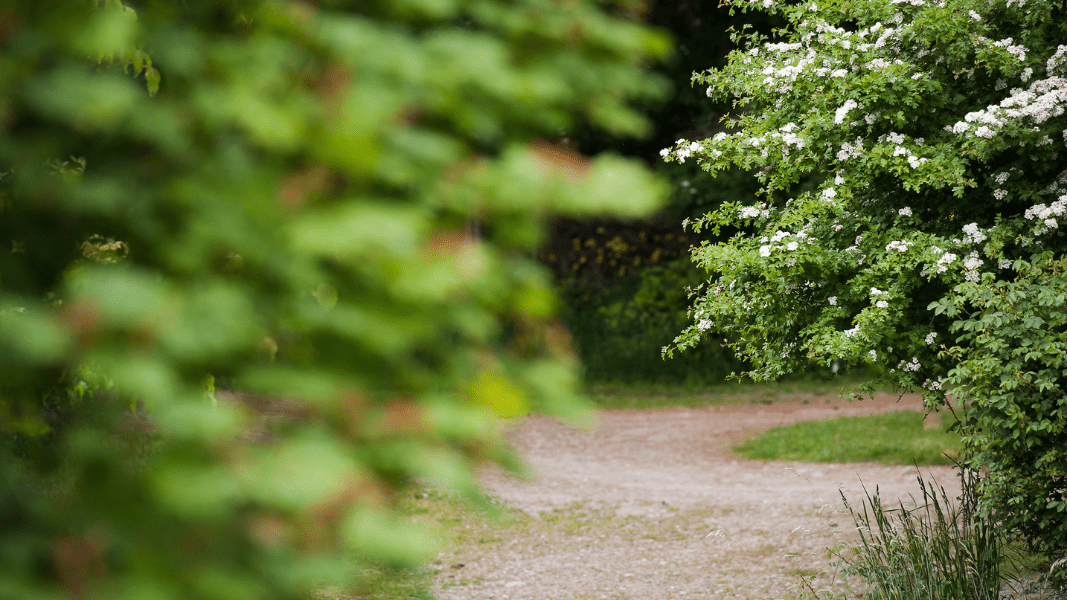
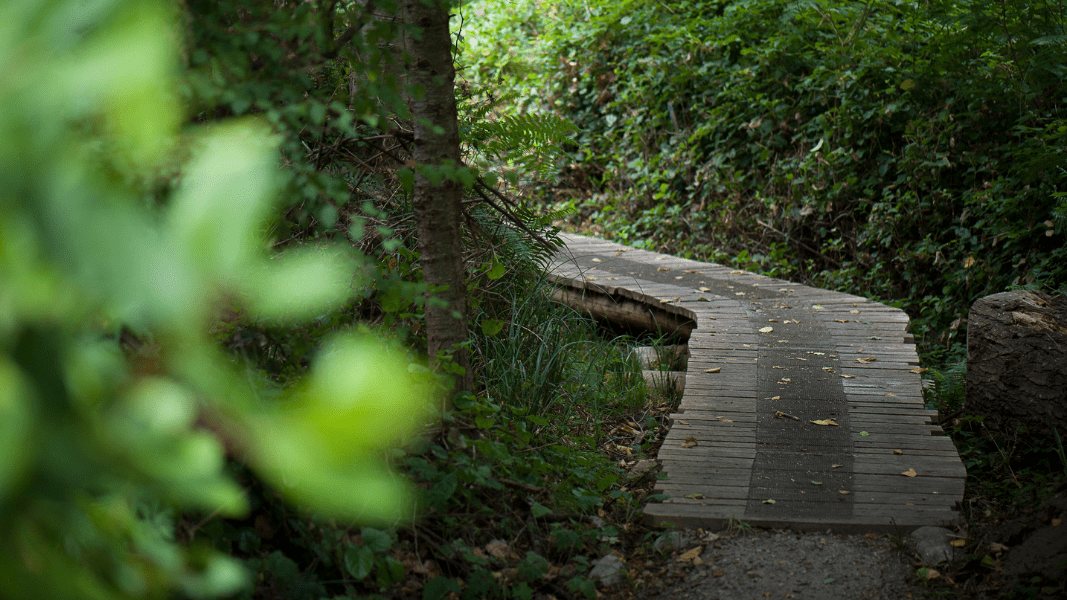
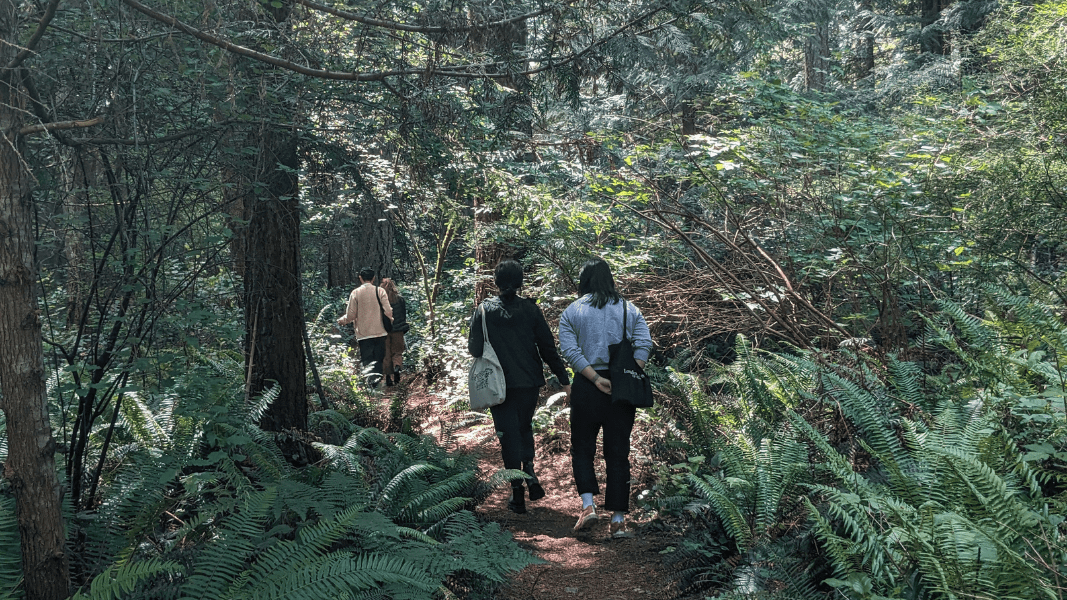
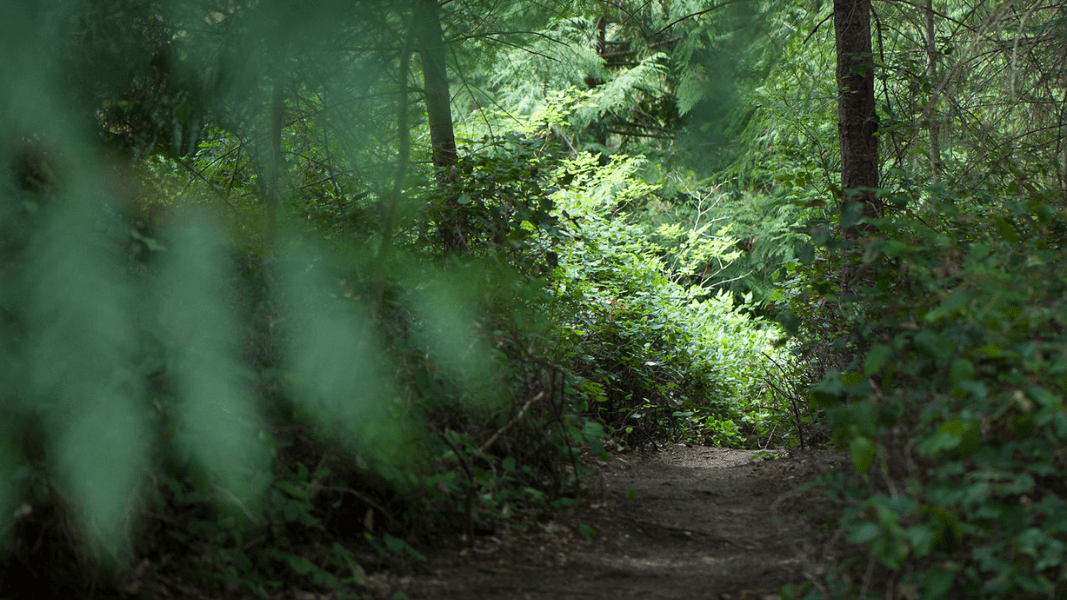
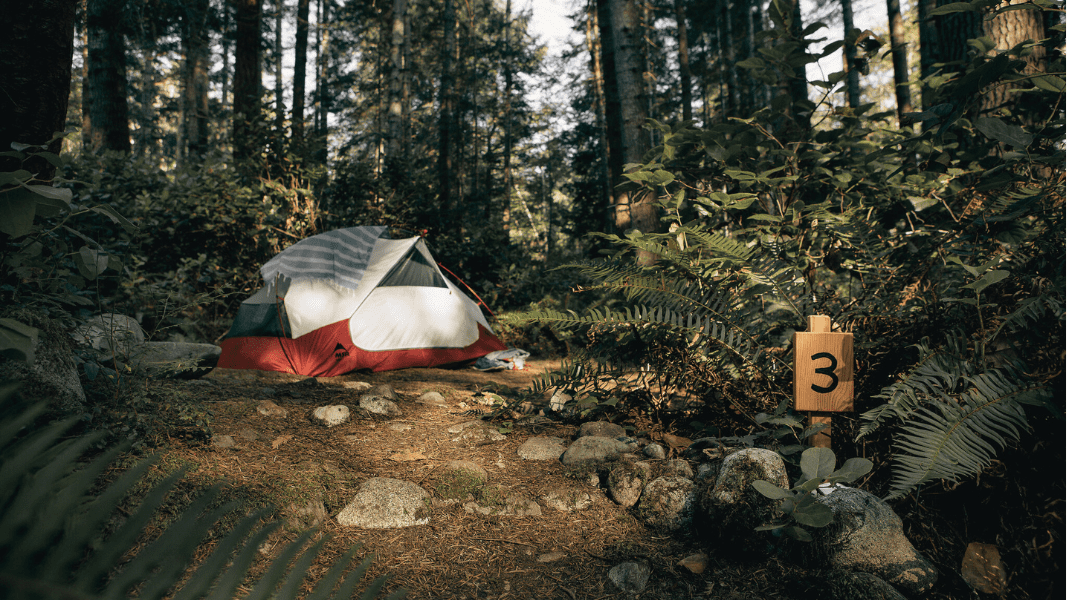
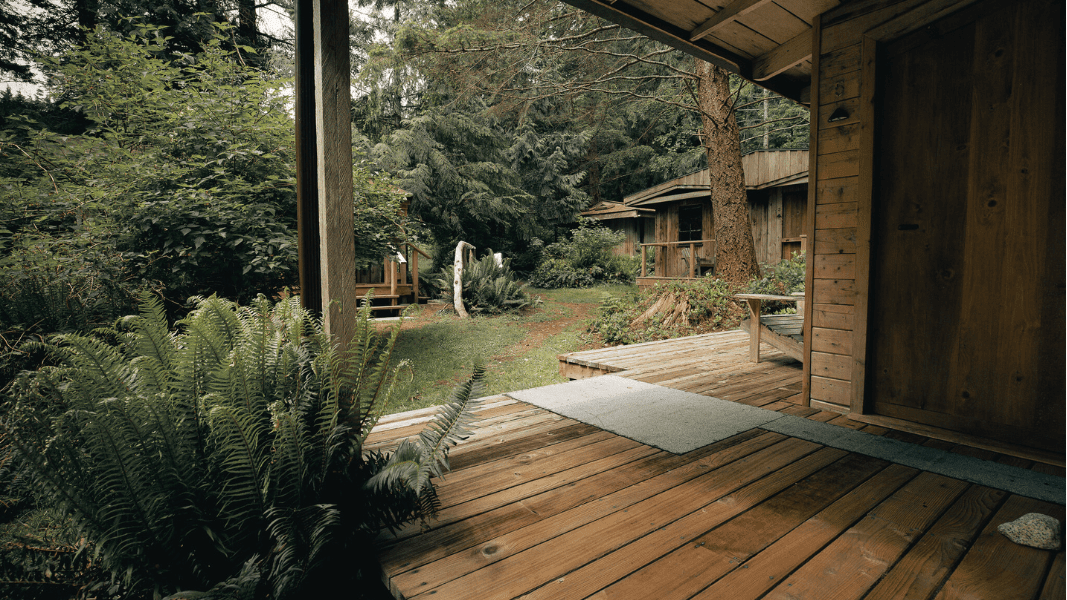
The Hollyhock campus is spread out over 40+ acres, connected by uneven forest footpaths and trails. Trails can include gravel, roots, and stones, which can be difficult for those with mobility needs. Walkers and scooters can use most main paths, but access to some buildings and areas is limited.
Campus trails are foot-access only; vehicles must stay in the parking lot. Staff and golf carts are available to help with luggage on arrival and departure days, please arrange this with Guest Services at least 24 hours in advance. If you think you may need assistance getting around, please contact [email protected] in advance of your stay.
It gets very dark at night away from the city lights and many paths are not lit at night. We strongly recommend guests bring headlamps or flashlights for use when walking in the evenings to ensure your safety.
Hollyhock is home to a variety of forest creatures, including deer, bees, and other wildlife.
Cortes Island is also home to large predators including a local pack of wolves, cougars, and the occasional black bear. You are extremely unlikely to see any of these beautiful neighbours during your stay and there are no historical cases of animal attacks on Cortes Island. If you happen to see a wolf speak loudly and firmly to it, ask it to go away, do not run.
There are no deadly or dangerous venomous snakes or insects on Cortes Island. If you have a bee or wasp allergy, it is important to know that we have many species of bees and wasps in the garden and surrounding forest.

Accommodations
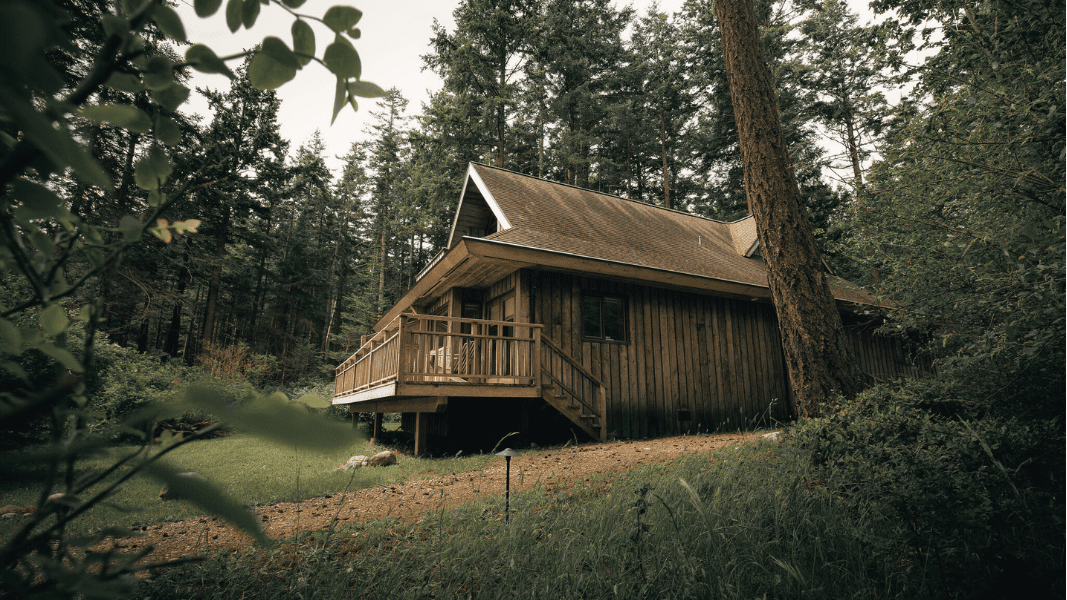
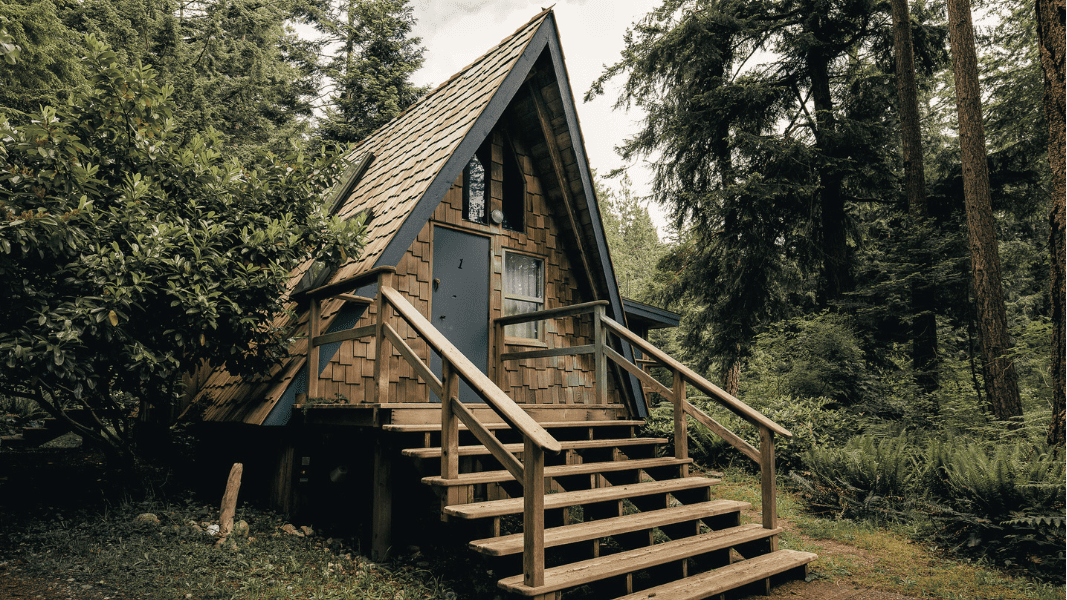
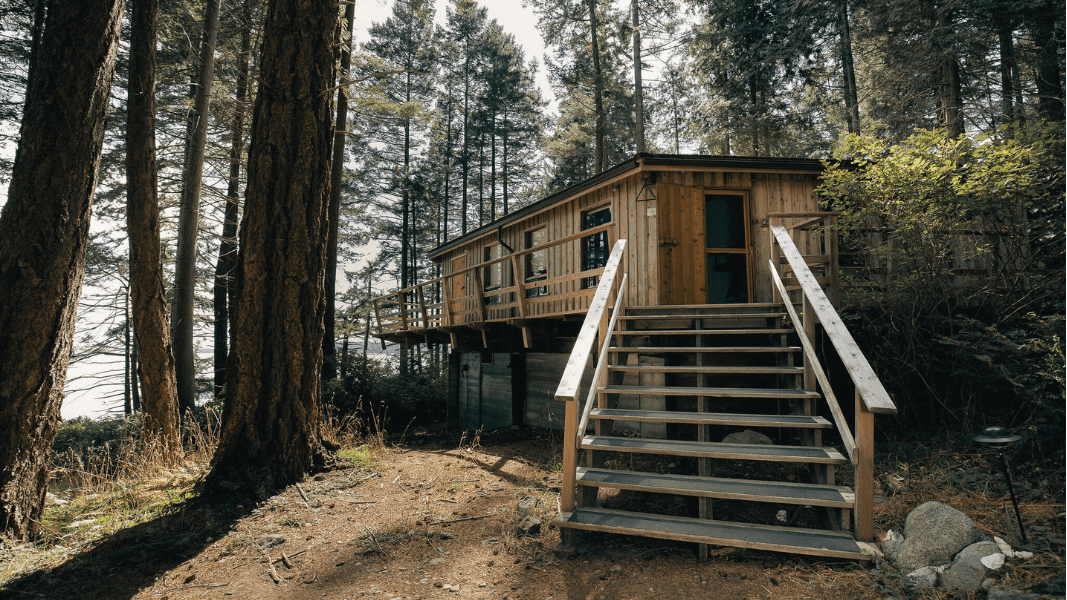
Accommodations are spread across a variety of buildings that each have different routes and trails, some more easily accessible than others. Some buildings, like A-Frame, Bluff House and Beach House, are accessed via stairs. Most have one or two steps to access rooms or bathhouses.
We recommend contacting registration to discuss options and ensure your accommodations are accessible for you.

Session Spaces
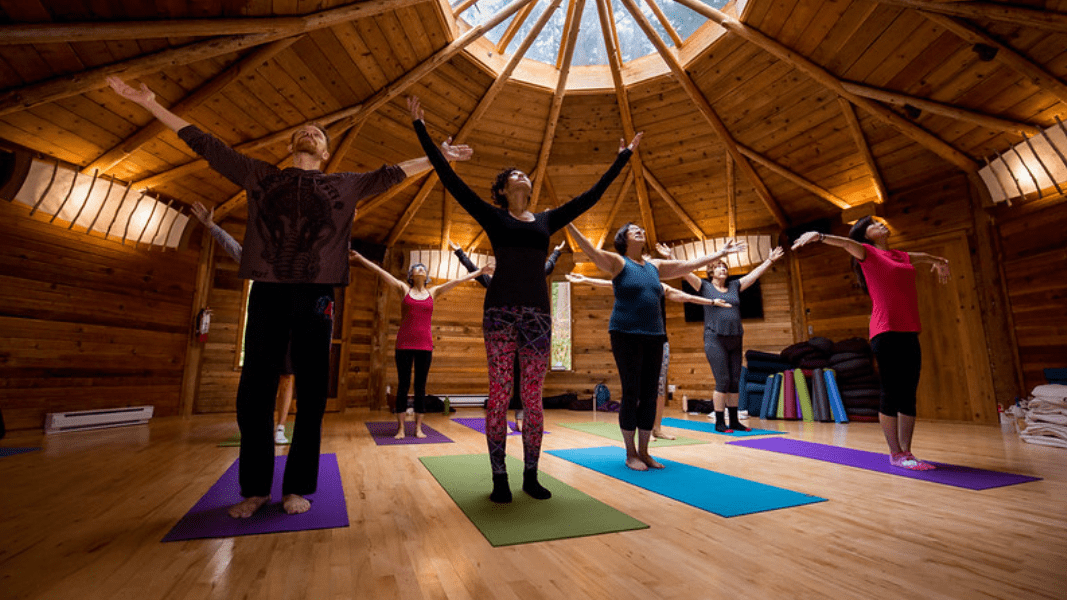
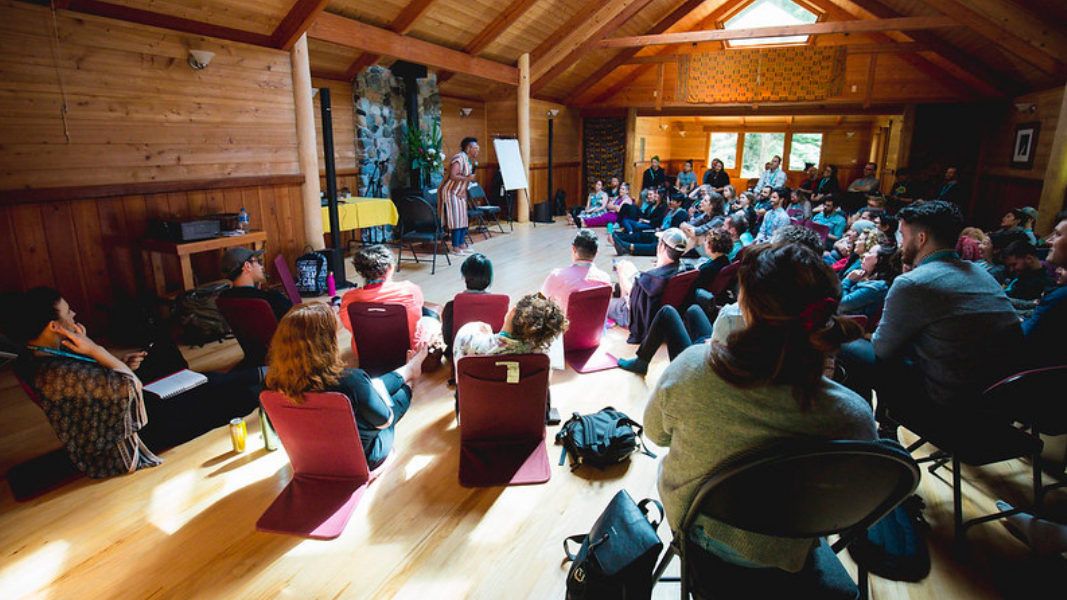
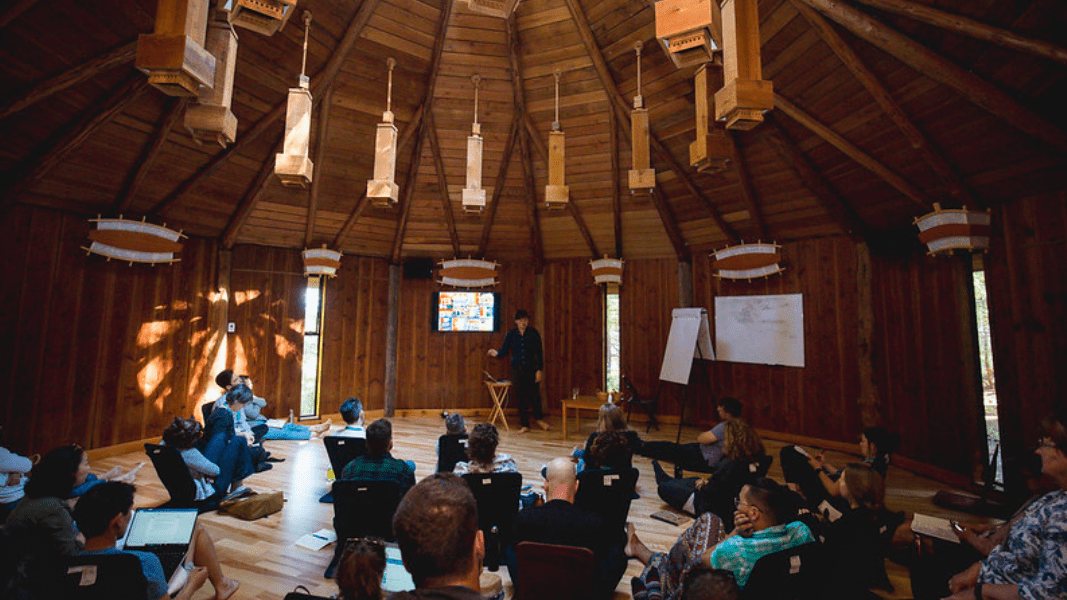
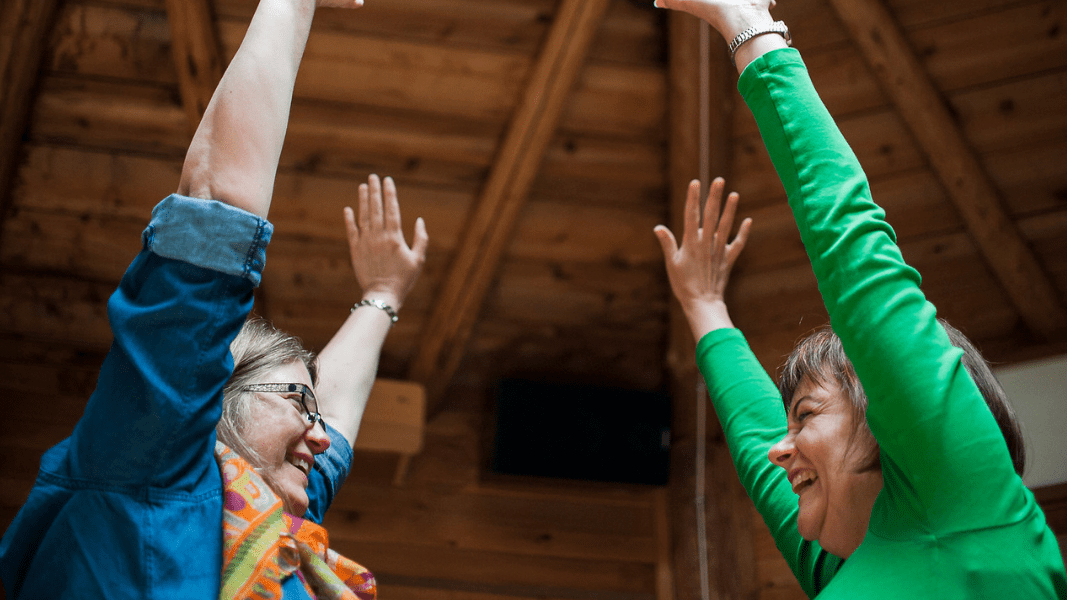
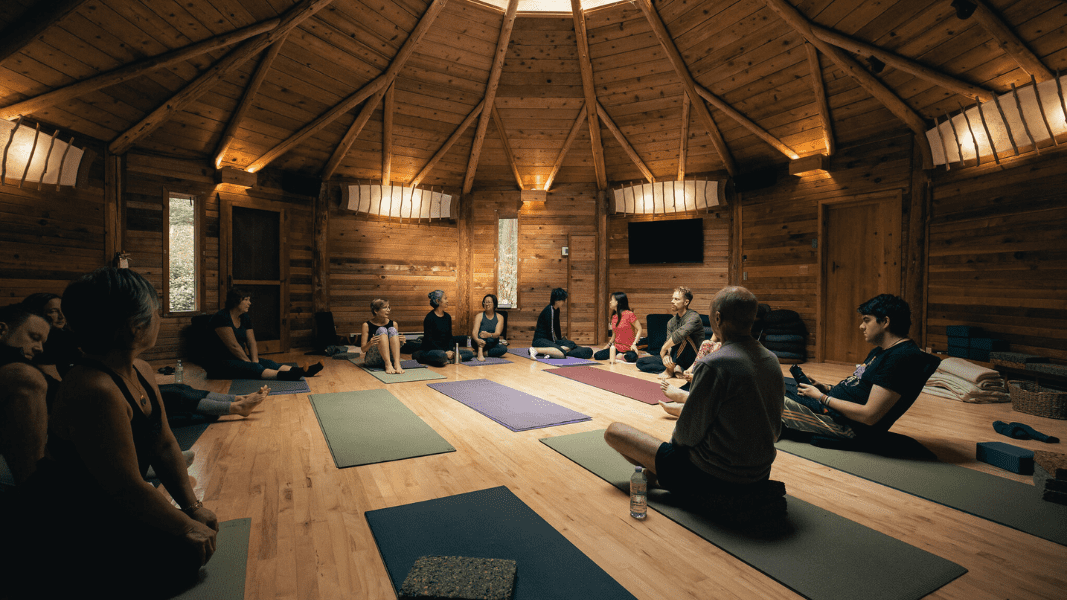
In all of our session spaces we provide folding chairs and back jacks (floor seating). Pillows, cushions, bolsters and blankets are often available for added comfort. People are welcome to sit, stand, stretch, and move about. If there are any adaptations to ensure your full participation, we are delighted to support your comfort.
Microphones and amplification are often used in Olatunji hall (around 1200 sq ft) depending on group size. For the smaller spaces (Raven and Kiakum are around 700 sq ft) microphones are usually not utilized.
Medical Facilities
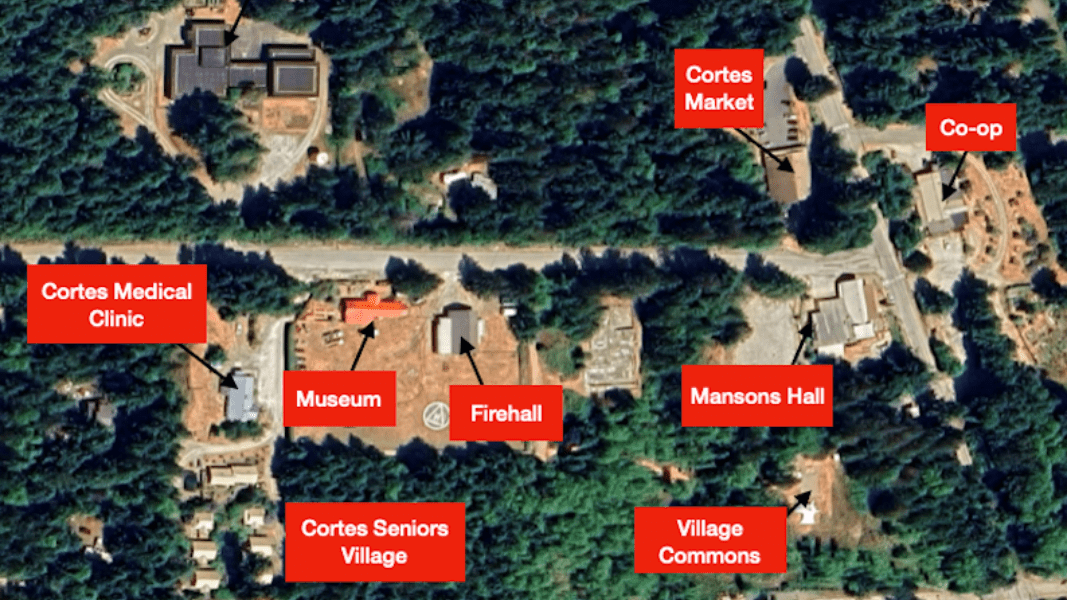
Cortes Island is remote, with limited healthcare services. There is no hospital on the island, and the health clinic operates with restricted hours. In the event of a medical emergency, you may need to travel or be medically evacuated to access care. Please bring a sufficient supply of any required medications, as they cannot be obtained locally.
Childcare
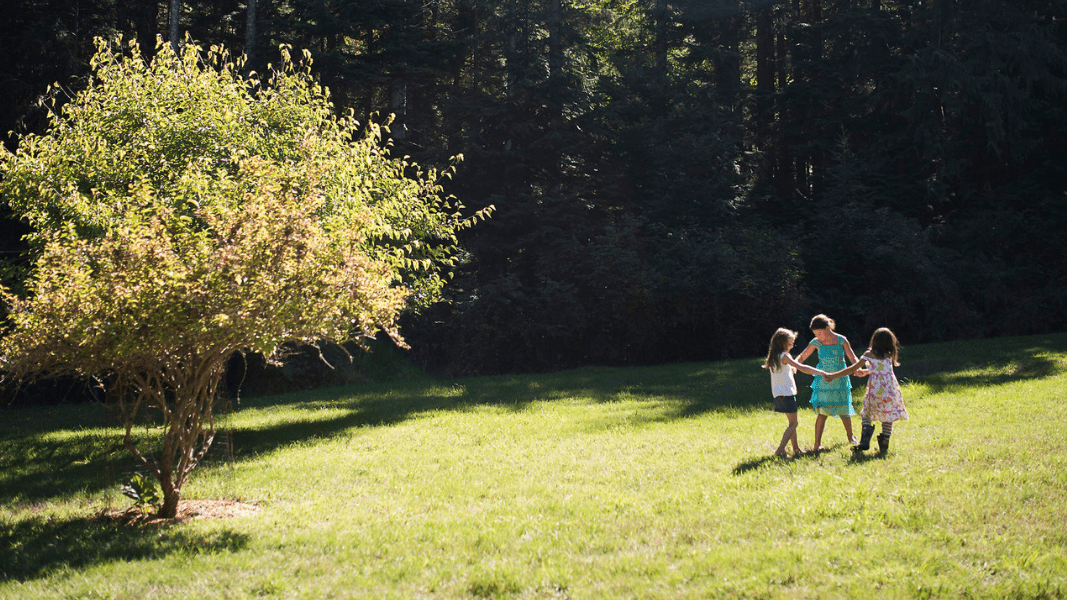
Cortes Island is a wonderful place to explore for wee ones! Although we do not provide childcare at Hollyhock, we welcome families and little ones.
Hollyhock campus and it’s programs are adult oriented however we can typically accommodate children if they have adult supervision while you attend your program. For example, if you had a caregiver or friend coming with you who could look after them while you’re in program to ensure their safety and comfort.
Please contact registration about bringing children to campus so that we can help ensure a great experience.
Sensory Considerations
We do our best to provide a scent-free campus at Hollyhock. We ask that guests and staff refrain from using heavily scented products or perfumes. All toiletry products available at Hollyhock are scent-free.
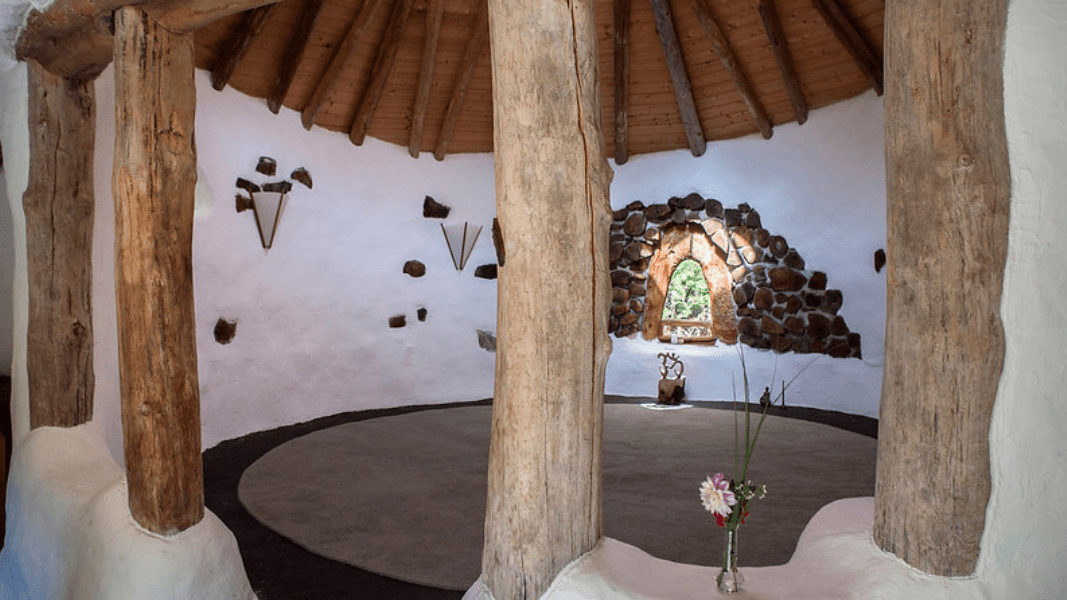
Indoors and outdoors, you can almost always find a space for privacy and quiet. Sanctuary is a meditation space on the edge of the apple orchard that is often a refuge for quiet-seekers.
We encourage participants to snap or rub their hands in lieu of clapping in the middle of sessions. Please speak to your facilitator if you are hard of hearing so that accommodations can be made to improve your auditory experience.
Service Animals
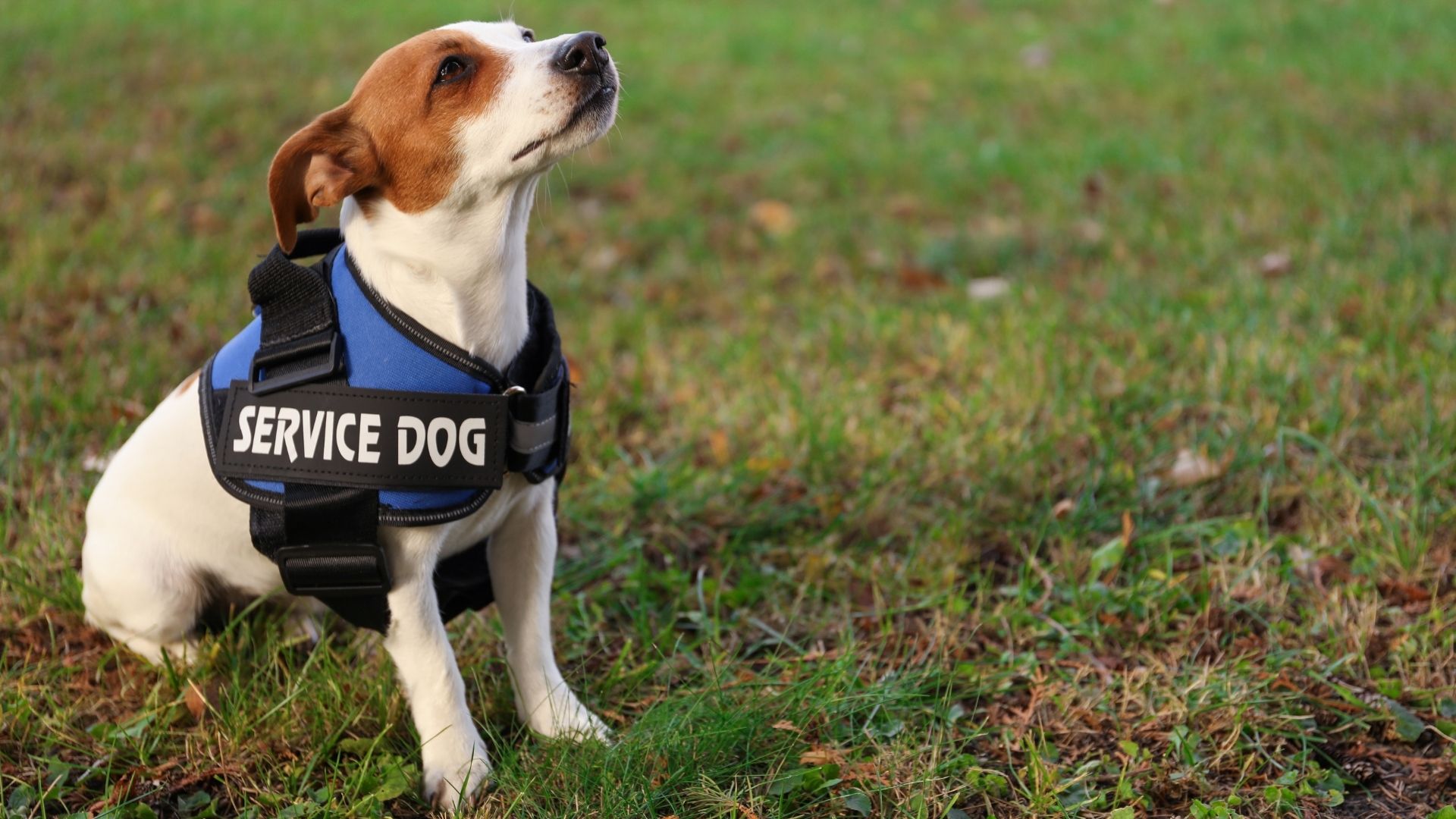
Although we don’t allow dogs in rooms and shared spaces on campus, Hollyhock is committed to creating an inclusive and respectful environment for all guests, including those accompanied by certified guide and service dogs. This policy aligns with the Guide Dog and Service Dog Act of British Columbia and the BC Human Rights Code.
It is important to distinguish that emotional support animals are not covered under the Guide Dog and Service Dog Act and therefore cannot be accommodated.
Hollyhock complies fully with the BC Human Rights Code and the Guide Dog and Service Dog Act. Guests with qualifying service dogs will not be denied access, provided their dog meets the behavior and conduct expectations outlined.
Under BC law, individuals accompanied by trained guide or service dogs have equal access rights. While certification is not mandatory, all dogs must be under control and well-behaved.
If a dog exhibits disruptive behaviour (e.g., repeated barking, leash pulling, or general poor control), Hollyhock reserves the right to request that the handler remove the animal from shared spaces.
To support the needs of all guests, we ask that guests notify Hollyhock registration at least six weeks in advance if they plan to bring a guide or service dog.
This advance notice allows us to coordinate with program presenters and inform other participants who may have allergies or sensitivities.
Handlers are responsible for all aspects of the dog’s care, behaviour, and clean-up throughout their stay.
While on campus, service or guide dogs must:
- Be clearly identified with a vest or harness.
- Be housebroken, calm, and non-disruptive to programs, wildlife, or other guests.
- Remain under the handler’s control at all times.
- Avoid shared food service areas, gardens, and wildlife corridors.
To complete a booking with a guide or service dog, contact [email protected] with:
- The dog’s name, breed, and vest visibility so we can inform staff and support your visit appropriately.
- Please provide voluntary certification documentation or a provincial ID card issued under BC’s Guide Dog and Service Dog Act.
- We will confirm with program presenters to ensure the dog’s presence does not impact program delivery.
- Our no-pets policy remains in place for all animals not recognized as guide or service dogs under BC law.
- Emotional support animals are not covered under the Guide Dog and Service Dog Act and therefore cannot be accommodated.
If this policy aligns with your situation, please provide voluntary certification documentation or a provincial ID card issued under BC’s Guide Dog and Service Dog Act at least six weeks in advance and we will follow up with you as soon as possible to confirm next steps.