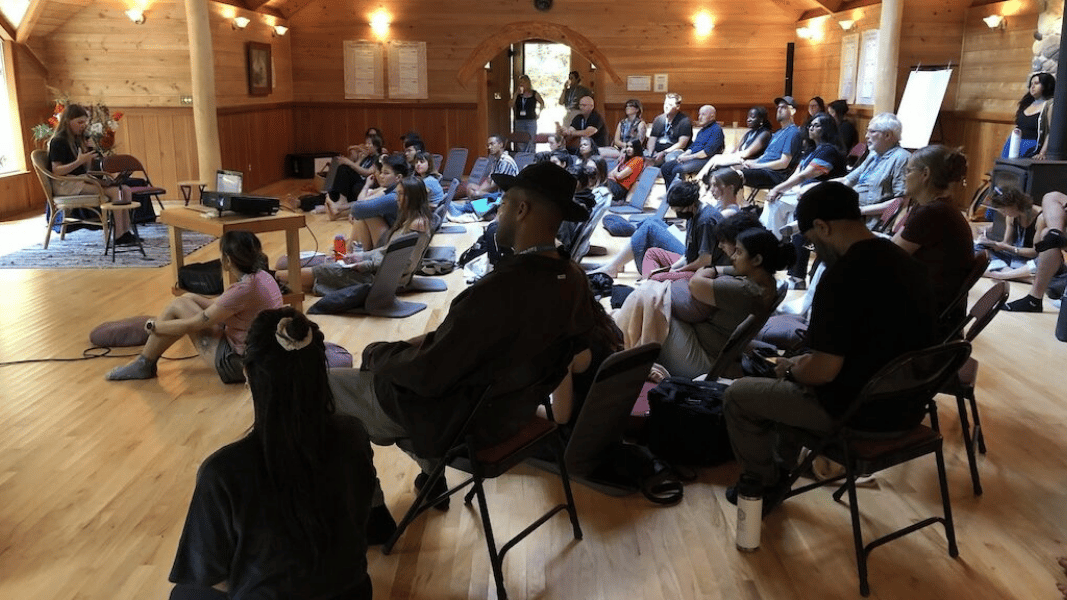
Last week, we hosted CASE — a gathering of rural and Indigenous youth from across British Columbia. CASE stands for Culture, Art, Science & Education.
CASE is about connection: connection to culture, to land, to each other, and to ourselves. The creativity and care that emerge in spaces like these are truly something special.
This is a shared space of empowerment, culture, creativity, and acceptance, where both youth and facilitators can walk away feeling more grounded, inspired, and appreciative of their communities and the world around them. This is the work.
From the first day, when many youth arrived shy and hesitant to step outside their comfort zones, to the final youth-led day, where students stepped into facilitator roles — guiding workshops, organizing activities, and supporting their peers — we witnessed young people courageously cultivating meaningful connection and confidence.
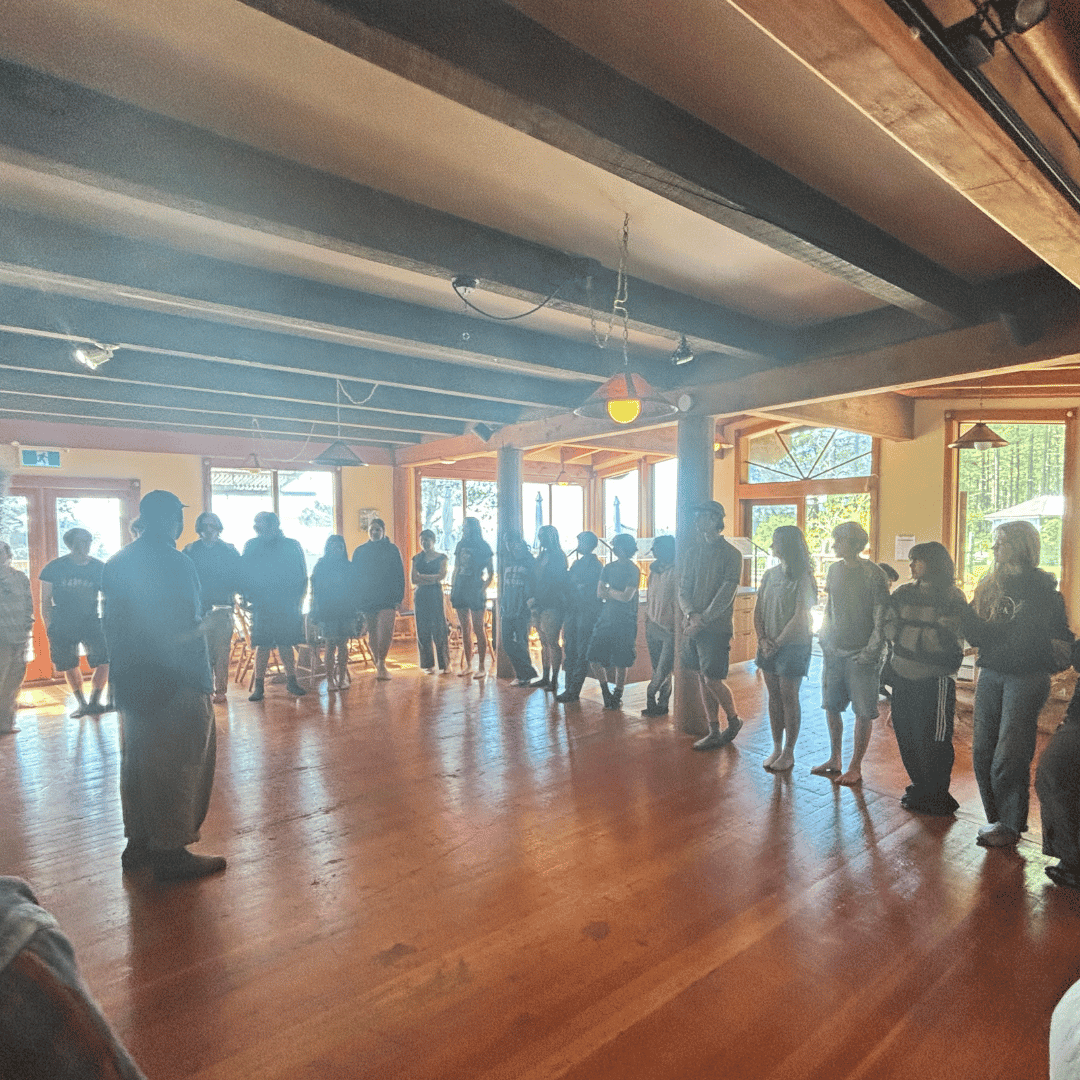
This year’s theme was Underground Media. We’re asking how we can subvert dominant narratives while cultivating mycelial connections within community — networks of creativity, care, resistance, and shared storytelling that spread beneath the surface. Throughout the week, youth explored alternative ways of communicating, creating, and relating to one another. Zine-making became one powerful way to challenge mainstream narratives and share stories rooted in lived experience, place, and imagination.
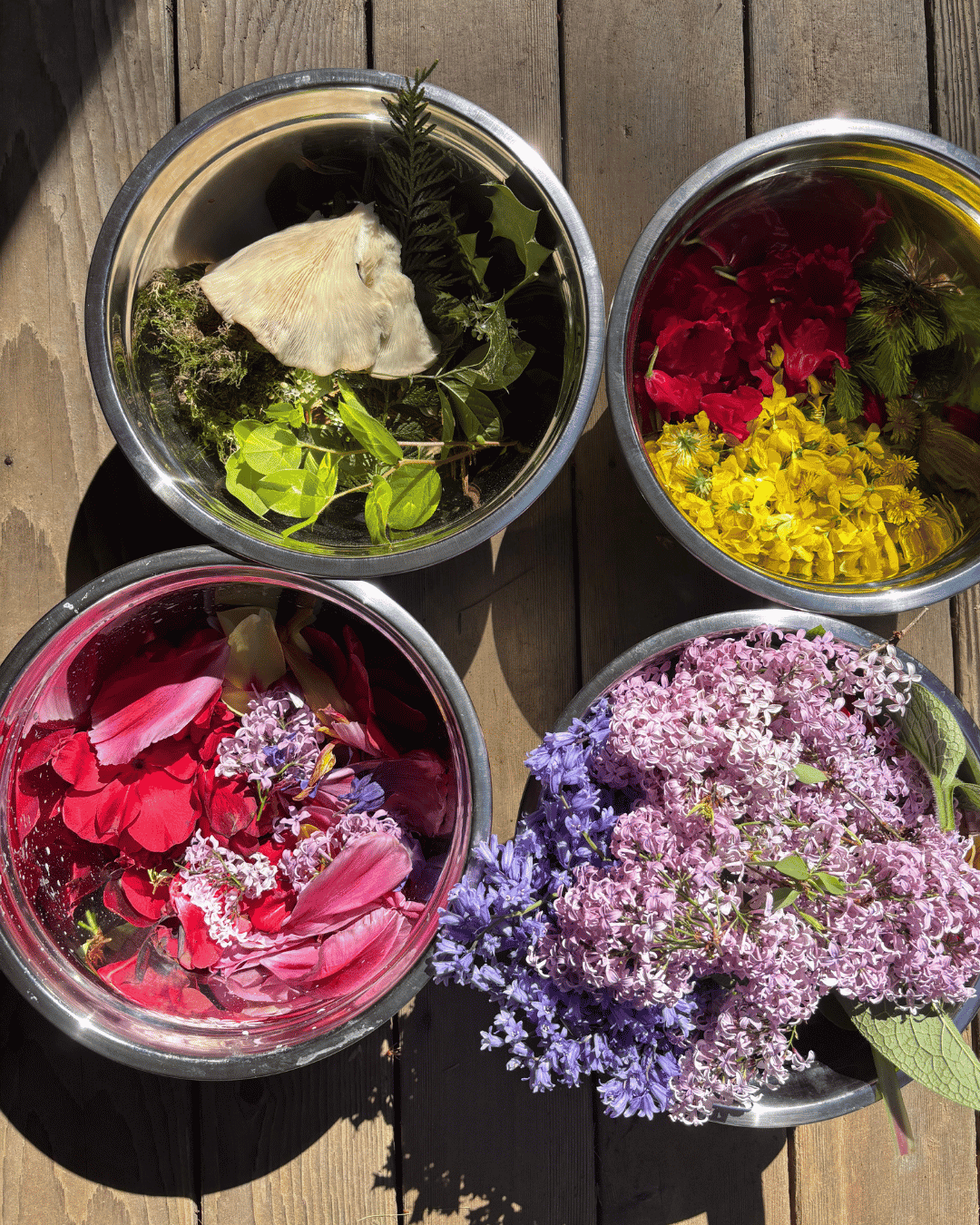
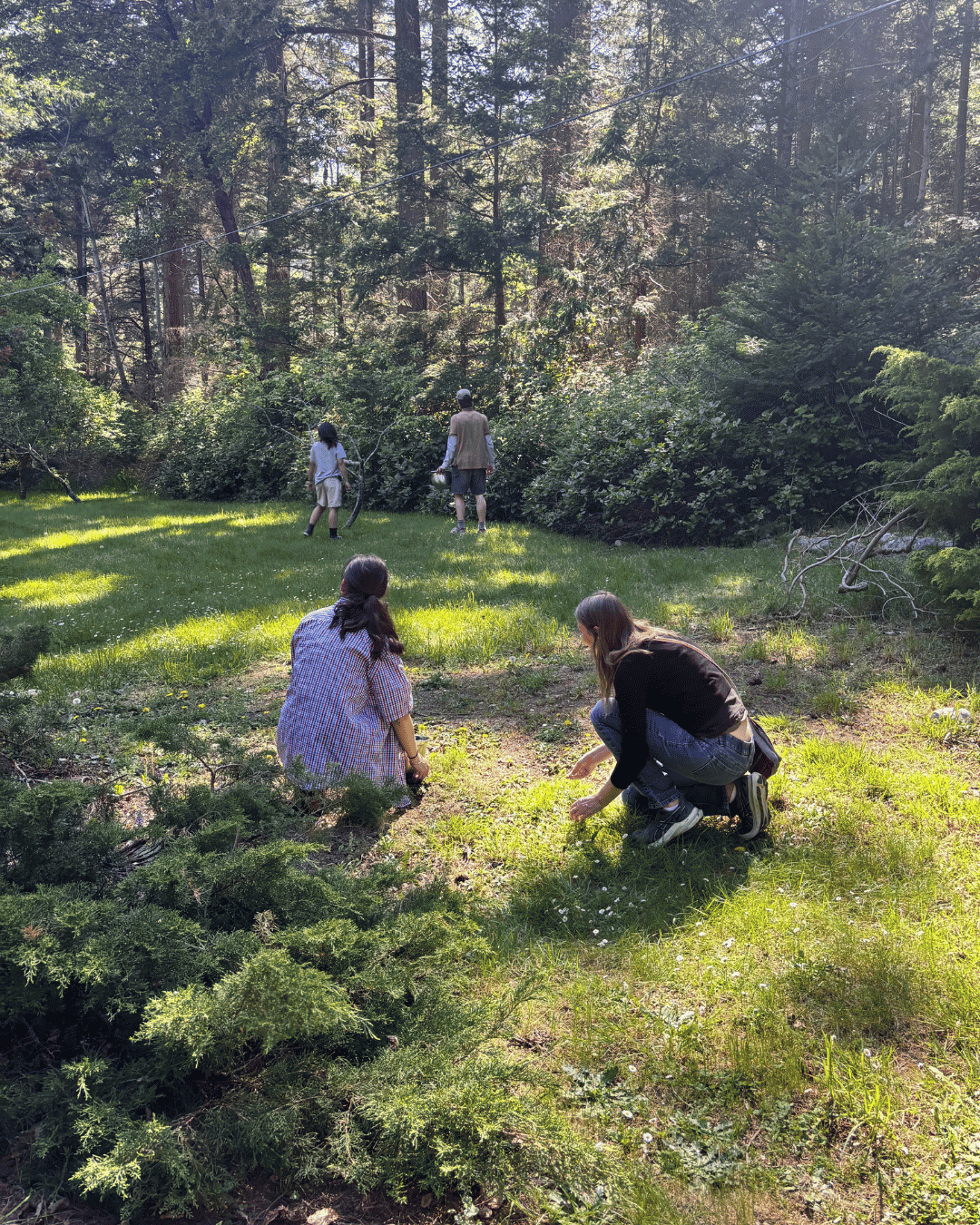
The diversity of workshops offered throughout the week reflected this spirit of creativity and exploration. Youth participated in everything from needle felting, natural dyes, cyanotypes, and collaborative art, to bilateral drawing, biosonification, natural building, nature hikes, rapping, improv music, group singing, yoga, and qi gong — and so much more. Each workshop offered a different pathway into self-expression, creativity, and connection.
On our final evening together, one student, Jasmine, reflected that the week had been about:
“Creating together instead of consuming together.”
Her words spoke to something many youth shared throughout the week: a desire to step away from the overconsumption of media that so often shapes daily life. CASE became an opportunity to disconnect from constant screen time, social media, and video games, and instead reconnect face-to-face and heart-to-heart.
As facilitators, one of the most beautiful parts of experiences like this is witnessing youth step into their own power — leading with passion, vulnerability, and care — and then returning home more inspired, creative, and connected to themselves, their culture, and their communities.
One youth, Malakai, shared that CASE gave him an opportunity to feel connected without screens — something he feels is deeply missing for many youth in his school and home community.
“CASE for me has resonated in that way.”
Daily Ayajuthem language sessions with Klahoose elder Jessie Louie were a highlight for many participants. Through language learning, youth were able to deepen their connection to culture, history, and place.
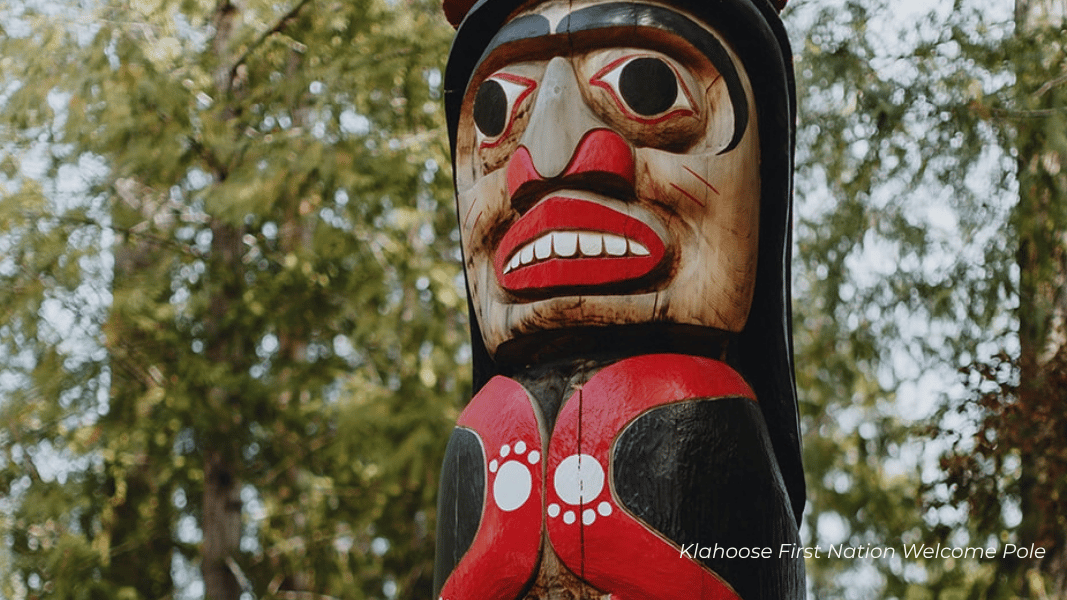
Culture Night was another powerful moment of the week, with members of the Klahoose First Nation community joining to share songs, dances, stories, and cultural protocols. Witnessing Klahoose youth step into their power throughout the week was deeply moving.
The week finished with an open mic night that showcased poetry, music, stories, artwork, and performances created within the shared container that is CASE — a celebration of creativity, courage, and community.
This week was made possible through a partnership between Cortes Island Academy, IndigenEYEZ, Klahoose First Nation, and Hollyhock. Thank you to everyone who generously supported this opportunity and helped make this gathering possible.
With support from caring folks like you, Hollyhock provides bursaries to youth and Indigenous leaders to experience transformational programs. Together with Cortes Island Academy, we fundraise so that participants can take part without financial barriers.
Want to support this program? Donate Now